
Industries & Applications
Sheet metal manufacturing built around real industry requirements.
From equipment housings to outdoor structures, we align materials, fabrication and inspection with the way the finished product will be installed and used.
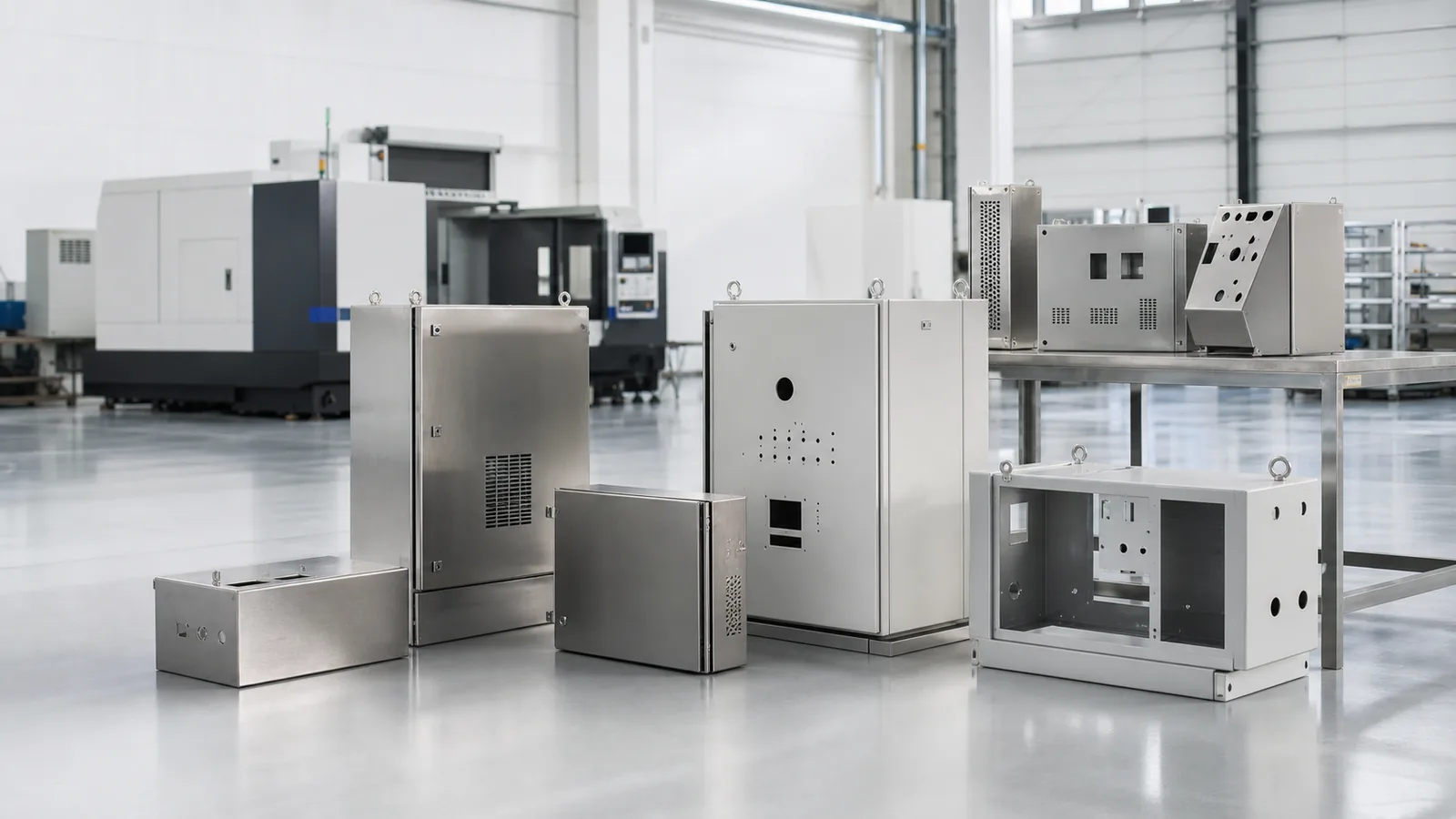
Application-led manufacturing
Different markets. One disciplined production system.
The same metal part can face very different requirements depending on where it is installed. Environment, access, load, appearance and service life all influence the manufacturing route.
We begin with the drawing and application, then connect cutting, forming, welding, finishing and inspection around the features that matter.
Industry map
Find the application closest to your product.
These categories are starting points. Components, material grades and production routes are confirmed against the actual drawing.
Industrial machinery & automation
Fabricated parts built around machine frames, moving assemblies, access and operator protection.
- Typical parts
- Guards, covers, brackets, mounting plates, frames and welded bases
- Common materials
- Carbon steel, stainless steel and aluminum
Electrical & control equipment
Cabinets and housings reviewed around access, component clearance, ventilation and cable routing.
- Typical parts
- Control cabinets, doors, back panels, cable plates and vented covers
- Common materials
- Galvanized steel, carbon steel, stainless steel and aluminum
Telecom & datacom infrastructure
Sheet metal hardware prepared for equipment mounting, airflow, service access and repeat installation.
- Typical parts
- Rack components, equipment housings, mounts, trays and perforated panels
- Common materials
- Galvanized steel, aluminum and stainless steel
Energy & power equipment
Structural and enclosure components aligned with equipment access, heat management and site conditions.
- Typical parts
- Power cabinets, inverter housings, equipment frames, covers and mounting structures
- Common materials
- Carbon steel, galvanized steel, stainless steel and aluminum
Outdoor lighting & infrastructure
Fabricated structures reviewed around weather exposure, anchoring, drainage and serviceability.
- Typical parts
- Poles, bases, access panels, brackets, housings and structural supports
- Common materials
- Carbon steel, stainless steel and aluminum
HVAC & ventilation equipment
Formed panels and air-management components produced around airflow, drainage and assembly fit.
- Typical parts
- Duct sections, plenums, fan housings, equipment panels and drain trays
- Common materials
- Galvanized steel, stainless steel and aluminum
Commercial equipment
Visible and structural sheet metal parts balanced around appearance, service access and repeat assembly.
- Typical parts
- Chassis, panels, cabinets, service covers, trays and internal brackets
- Common materials
- Stainless steel, aluminum and coated carbon steel
Custom OEM production
Drawing-based programs for buyers who need prototypes, assemblies or recurring production batches.
- Typical parts
- Custom enclosures, formed parts, welded assemblies and production components
- Common materials
- Selected according to drawing, environment, load and finish requirements
Application explorer
Where our fabrication fits.
Select an application to see the product priorities we consider during manufacturing review.
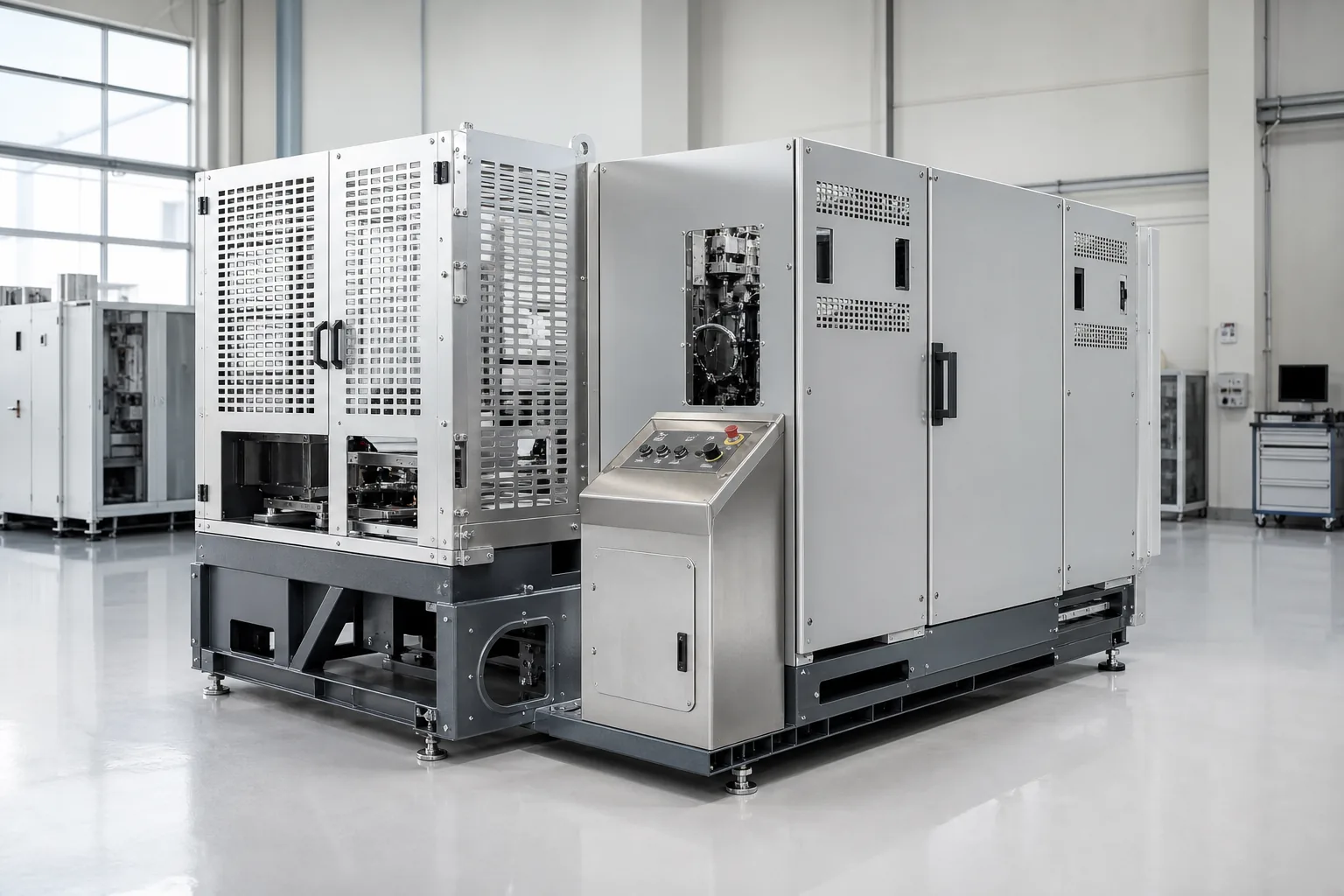
Representative application
Industrial equipment & automation
Parts and assemblies engineered around machine interfaces.
Custom brackets, covers, frames, guards and equipment housings produced around mounting points, access requirements and repeatable assembly.
- Structural fit
- Mounting interfaces
- Ventilation
- Repeatable batches
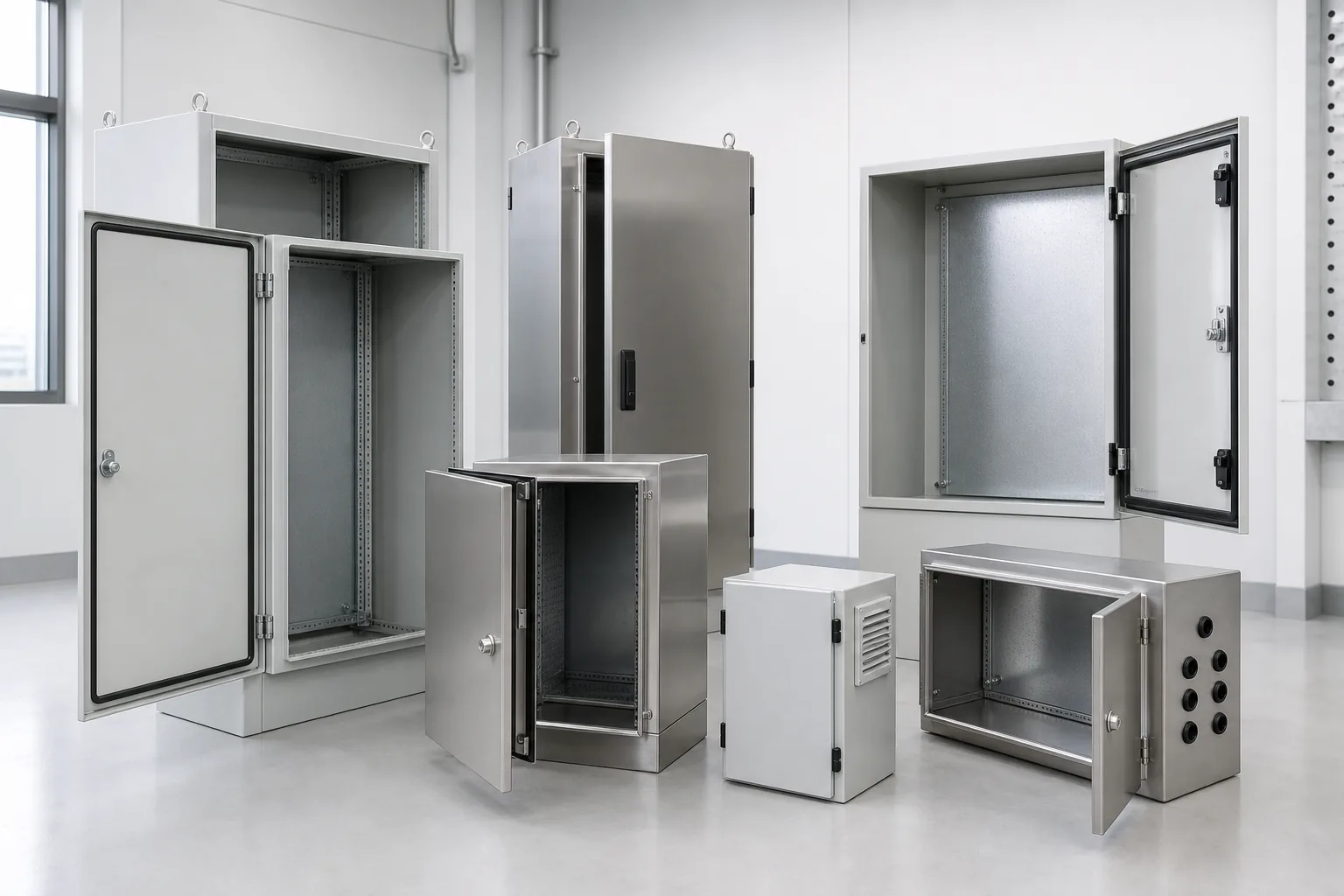
Representative application
Electrical & control equipment
Enclosures designed for access, airflow and protection.
Fabricated cabinets and housings can be developed around component clearances, service access, cable entry, ventilation and the required surface finish.
- Door alignment
- Cable access
- Thermal management
- Finish consistency
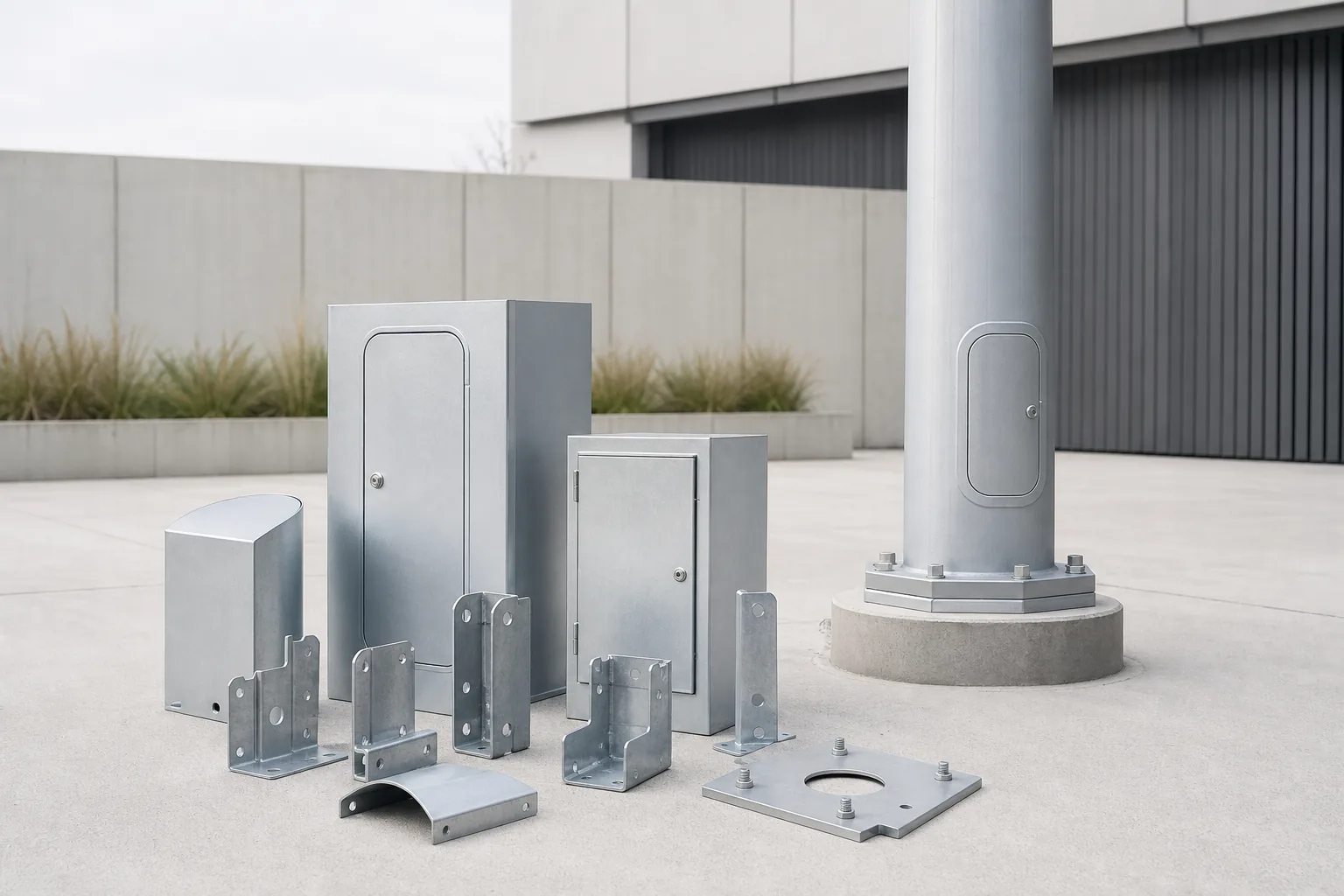
Representative application
Outdoor lighting & infrastructure
Fabricated structures prepared for long-term outdoor use.
Posts, bases, access housings and structural metalwork are reviewed around weather exposure, drainage, anchoring, serviceability and finish selection.
- Weather exposure
- Anchoring details
- Drainage
- Protective finishing
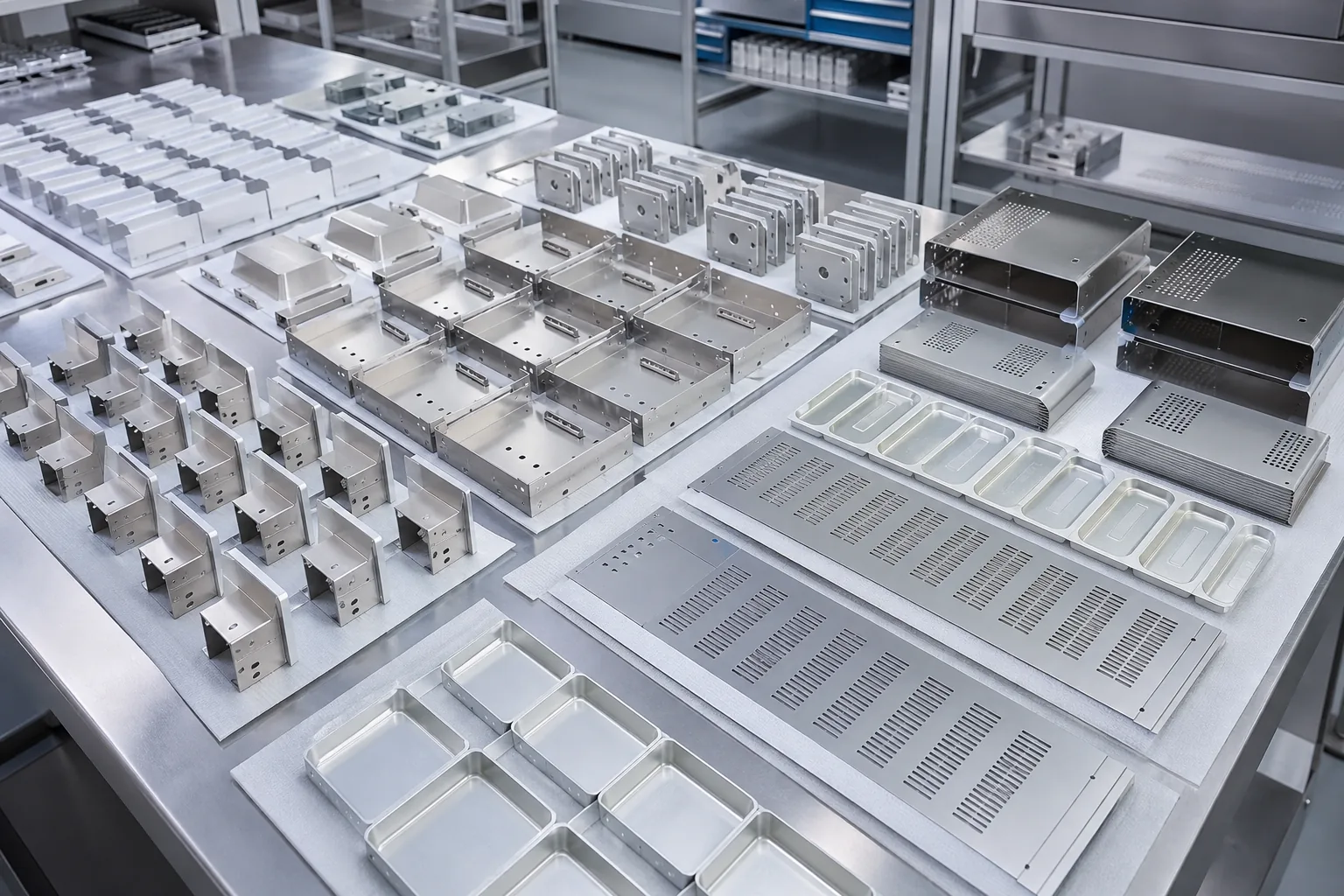
Representative application
Custom OEM production
Stable production built around approved drawings and revisions.
For repeat programs, material, tooling, bend sequence, inspection points and part identification are aligned to protect continuity from batch to batch.
- Revision control
- Batch consistency
- Inspection records
- Delivery planning
Material alignment
Material selection follows the application—not a default.
Grade, temper, thickness, grain direction and finish are confirmed from the drawing and operating environment.
Carbon steel
Strength and cost-efficient fabrication.
Common for machine structures, bases, brackets, frames and coated equipment housings.
- Structural parts
- Welded frames
- Painted enclosures
Stainless steel
Corrosion resistance and durable appearance.
Used where moisture, cleaning, visible surfaces or long-term corrosion performance matter.
- Outdoor housings
- Commercial equipment
- Visible panels
Aluminum
Lower weight with useful thermal performance.
Suitable for lightweight covers, electrical housings, lighting structures and equipment panels.
- Lightweight parts
- Control housings
- Lighting components
Galvanized steel
Practical corrosion protection for formed parts.
Frequently considered for electrical cabinets, ventilation components, trays and utility housings.
- Electrical cabinets
- HVAC components
- Formed trays
Engineering priorities
Requirements that shape the production route.
Industry context is translated into practical drawing, process and inspection decisions.
Environment
Exposure, corrosion risk, drainage, sealing and surface treatment requirements.
Structure
Loads, mounting points, weld locations, stiffness and critical assembly interfaces.
Access & airflow
Doors, removable panels, ventilation, cable entry and service clearances.
Production continuity
Revision control, approved samples, batch identification and repeat inspection points.
One controlled route
From application requirement to repeat production.
Every program starts with the part, not a generic machine list.
- 01
Review
Confirm drawings, material, critical features, finish and expected volume.
- 02
Plan
Define the cutting, forming, welding, finishing and inspection sequence.
- 03
Verify
Check the first article against approved dimensions and interfaces.
- 04
Repeat
Maintain revision, batch and process discipline through ongoing production.
Project fit
The best fit is confirmed against your drawing.
Industry labels are only a starting point. We review geometry, materials, tolerances, finish, order volume and installation requirements before confirming the production route.
Start with the application
Have an industry-specific project to review?
Send the drawing, material, operating environment and expected volume. We will review how the application affects the manufacturing route.